
Weill Cornell at PSMA & Beyond 2025: A Front-Row Seat to the Future of Theranostics

The PSMA & Beyond 2025 Conference returned for its highly anticipated second edition, this time hosted in vibrant Los Angeles, California. Organized by University of California, San Francisco (UCSF), University of California, Los Angeles (UCLA), and the Prostate Cancer Foundation (PCF), this two-day event convened many of the world’s leading voices in prostate cancer theranostics, a cancer treatment approach that combines diagnostic imaging and targeted therapy. This highly specialized, niche conference drew over 600 attendees both virtually and in-person from around the globe, bringing together leaders at the forefront of cancer imaging and targeted therapy.

This multidisciplinary event featured stakeholders across molecular imaging, medical oncology, urology, radiation oncology, and other key disciplines—offering key insights to the rapidly advancing field of prostate-specific membrane antigen (PSMA) theranostics and precision medicine.

A Dynamic Program at the Cutting Edge

This year’s program explored both the current landscape and emerging directions in PSMA PET imaging and radioligand therapy. Sessions spanned a diverse range of topics—from the evolving role of bone scans, MRI, and PSMA PET in clinical decision-making, to therapeutic advances involving beta and alpha-emitting agents, radiopharmaceutical development, resistance mechanisms, and the emergence of novel tracers and ligands.

The conference also featured groundbreaking research in radiation measurement and the integration of artificial intelligence (AI), both aimed at enhancing the efficiency, accuracy, and personalization of theranostic approaches. Highlights included interactive tumor boards, engaging panel discussions, and visionary presentations that pushed the boundaries of what’s possible—not just in prostate cancer, but in theranostics more broadly.

In an exciting and timely development, Day 1 of the conference coincided with the U.S. Food and Drug Administration (FDA)’s announcement of an expanded indication for Pluvicto—the first FDA approved PSMA targeted theranostic which is now also approved earlier in the disease trajectory, prior to taxane-based chemotherapy. This marks a major milestone in expanding access and optimizing treatment sequencing for patients with metastatic prostate cancer.

Spotlight on WCM Rising Research Talent

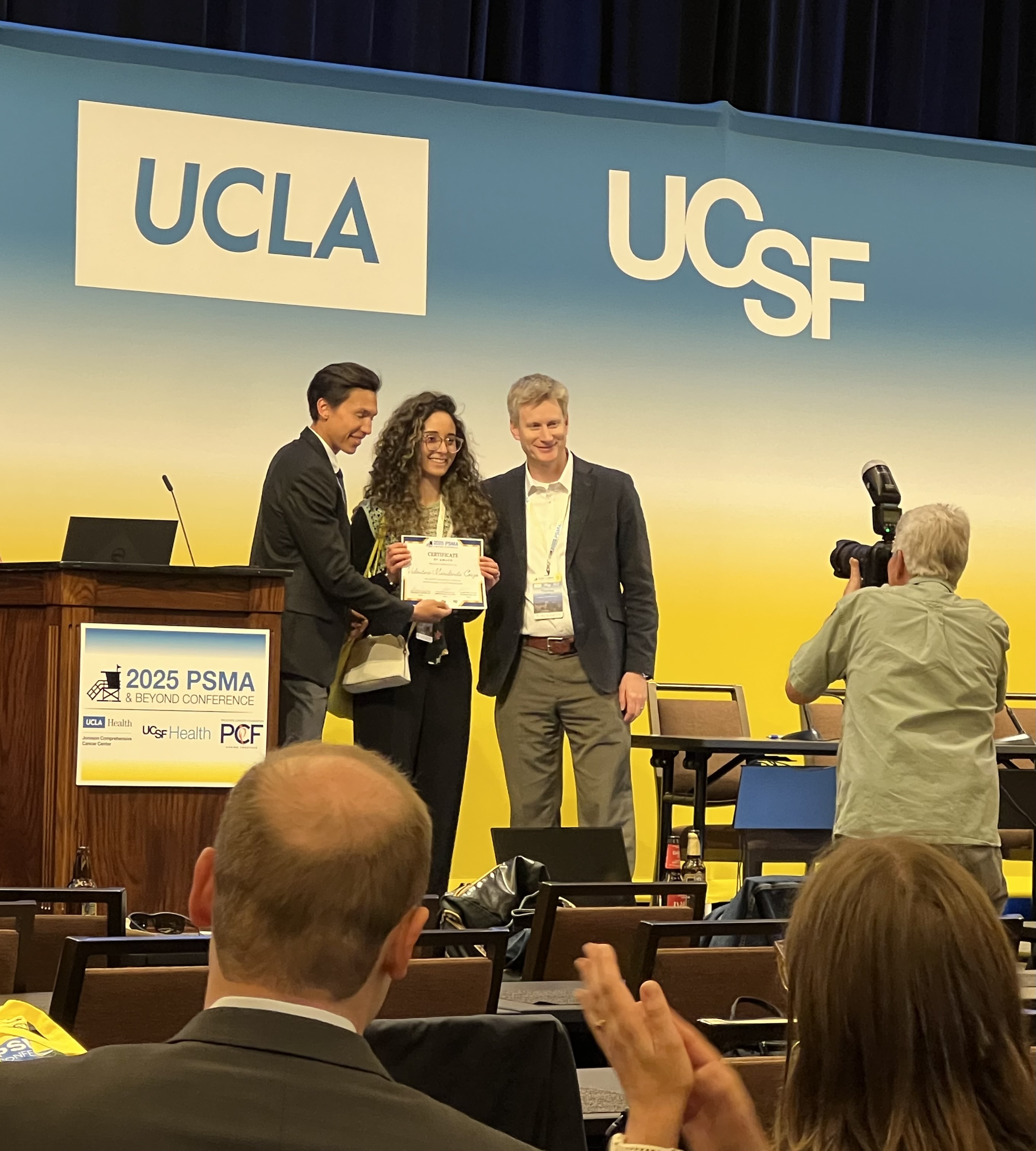
The conference also hosted a vibrant poster session, featuring cutting-edge abstracts. Among the standout contributions was research by Dr. Valentina Marulanda-Corzo, Molecular Imaging and Therapeutics Research Fellow at WCM. Under the mentorship of Dr. Joseph R. Osborne, Chief of Molecular Imaging and Therapeutics, Dr. Marulanda-Corzo presented her abstract titled “PSMA-Targeted Actinium-225 Therapy in Metastatic Castration-Resistant Prostate Cancer: Integrating Imaging Biomarkers with Clinical Outcomes in Monotherapy and Combination Therapy.”

Her work showcased how quantitative imaging biomarkers can provide insights that go beyond PSMA expression, offering critical prognostic and therapeutic value. By integrating imaging data with clinical outcomes, her research underscores the pivotal role of imaging in guiding personalized treatment strategies and advancing the field of precision oncology.

Selected as one of only ten “Power Pitch” presentations, Dr. Marulanda-Corzo’s abstract was ultimately recognized as one of the top three poster presentations of the entire conference—an incredible achievement and a powerful testament to the innovation and leadership emerging from Weill Cornell Medicine.
Weill Cornell Medicine at the Forefront
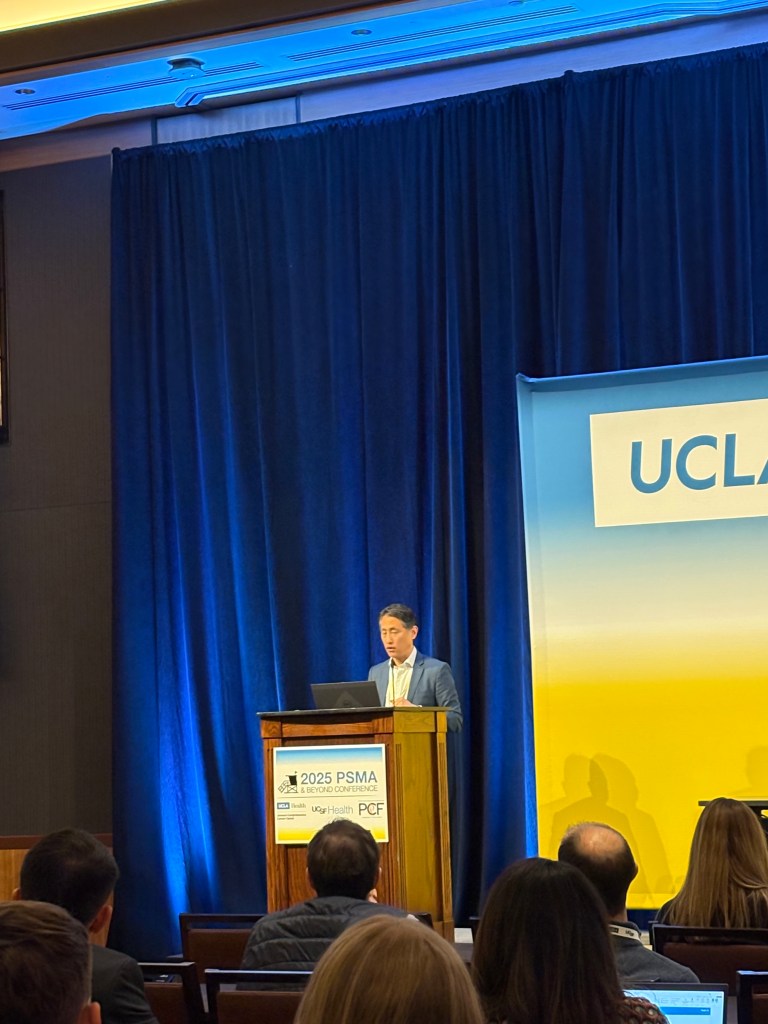
Weill Cornell Medicine (WCM) was proudly represented at this premier conference. Dr. Scott Tagawa, a medical oncologist at WCM and an internationally recognized leader in PSMA-targeted therapy, delivered a compelling presentation titled “The Role of PSMA Targeted Antibodies.” Drawing from ongoing clinical trials at WCM, Dr. Tagawa explored the development and therapeutic promise of J591, a monoclonal antibody that targets the extracellular domain of PSMA—enabling highly selective delivery of both beta and alpha-emitting radionuclides.

His presentation emphasized the clinical relevance of this platform, particularly in patients with low or varying PSMA expression, where small-molecule ligands may fall short. He shared promising clinical outcomes using Actinium-225-labeled J591, and highlighted how alpha emitters are reshaping the therapeutic landscape.

Notably, Dr. Tagawa explored the synergistic potential of combination strategies—such as pairing alpha and beta emitters or integrating alpha therapy with immunotherapy—to deepen response and overcome treatment resistance. His talk reinforced that the future of PSMA-targeted therapy lies not only in precision, but in innovation, through multidimensional approaches that could redefine cancer care.

This year’s PSMA & Beyond Conference served as a powerful reminder that the fusion of imaging and therapy is not just a scientific frontier—it is a transformative movement redefining how we approach cancer care. At Weill Cornell Medicine, we are proud to be at the center of this evolution, advancing theranostics through research, collaboration, and a deep commitment to patient-centered innovation.

Controlling Hot Flashes Related to Hormonal Therapy and Prostate Cancer

Androgen Deprivation Therapy (ADT), or hormonal therapy, is widely used in the treatment of metastatic and locally advanced prostate cancer, as most prostate cancer cells rely on testosterone to grow. Suppressing the testosterone hormone can cut off a fuel source for the prostate cancer. While ADT is a highly effective treatment and can be administered before, after or during radiation therapy, it is not without side effects. Some of the most common side effects of ADT are hot flashes and night sweats. Almost 80% of patients with prostate cancer experience hot flashes during or after treatment with ADT.

Hot flashes are sudden sensations of warmth, typically in the upper body in the face, neck, and chest areas. This sensation is often accompanied by sweating and flushing. Hot flashes can last seconds or as long as 20 minutes. They can also be associated with sleep disturbance, depressed mood, anxiety, and cognitive impairment. Hot flashes combined with sweating while sleeping are called night sweats. Night sweats because of ADT should not require patients to change their sheets daily due to drenching. Drenching is unlikely a side effect of ADT and should be discussed with care team members as this may signal that something else is going on.  Experiencing hot flashes and night sweats can decrease quality of life in men with prostate cancer and can lead to premature discontinuation of treatment, even if the therapy is working to keep the cancer at bay.

There are pharmaceutical and non-pharmaceutical interventions available to control hot flash symptoms and reduce the frequency of the sensations. These interventions include physical activities, behavioral therapies, device-based and pharmacologic (drug) interventions, as well as natural health products. It should be noted that some interventions, such as venlafaxine, which are a mainstay for treatment of hot flashes in women with postmenopausal hot flashes or hot flashes associated with breast cancer treatment have been proven to be ineffective for patients with prostate cancer. Some lifestyle and behavioral modifications that can help reduce the impact of hot flashes include avoiding caffeine, alcohol, and tobacco, as well as increasing exercise and physical activity.

In addition, the below methods for managing hot flashes were recently presented as part of new research shared at the American Society of Clinical Oncology (ASCO) annual meeting in June 2024.

  • MANCAN2: Results from this multicenter clinical trial evaluating cognitive behavioral therapy (CBT) to help patients with prostate cancer who are receiving ADT to manage hot flash and night sweat symptoms showed that a 4-week CBT program during ADT treatment reduced the impact of hot flashes and night sweats and resulting anxiety and depression for six weeks. The improvement, however, was not seen when looking further out to the 6-month mark. This study warrants further research to investigate the role of CBT in managing hot flashes and whether this benefit can be prolonged.
  • Alliance A222001: This randomized clinical trial evaluated the efficacy of Oxybutynin, a drug that blocks the action of the neurotransmitter acetylcholine, to improve hot flashes. Study authors concluded that twice-daily oxybutynin improved hot flash symptoms and reduced the frequency of hot flashes altogether compared to a placebo at the primary endpoint of 6 weeks. Oxybutynin, which was initially developed to treat urinary incontinence, did not have many severe side effects reported in the study. Since the drug has been used by many for urinary reasons, it is known that a common side effect is dry mouth, which occurred to a significant (moderately severe) degree in about 9% of patients taking oxybutynin and 8% of patients taking placebo. This drug is not FDA approved for the treatment of hot flashes.

Hot flashes were discussed widely at this year’s ASCO meeting, including in a session called, “Living Your Best Life on Treatment.” This important topic underscores the need to continue to discuss and develop interventions with the potential to improve quality of life for patients undergoing prostate cancer treatment. It is ultimately through new research and updated information that clinicians and patients with prostate cancer can work together to better manage, reduce or eliminate hot flashes.

Radiopharmaceutical Treatments for Metastatic Prostate Cancer

Radiopharmaceuticals (also sometimes called targeted radionuclide therapy or similar) are a type of medication that uses particles of radiation injected into the bloodstream to affect cancer. Radiopharmaceuticals are typically comprised of a radioactive particle, known as a radionuclide, sometimes combined with a targeting molecule that directs the radiation or points it towards a particular place. When injected into the body, this type of therapy is able to deliver radiation directly to the pointed target, limiting the exposure to the surrounding healthy tissue.

In prostate cancer, radiopharmaceuticals can be used in patients with metastatic prostate cancer that is not responding to hormonal therapy. While these treatments aren’t a cure, they are able to help these patients live longer with a better quality of life.

There are currently two radiopharmaceuticals approved by the U.S. Food and Drug Administration (FDA) for the treatment of metastatic prostate cancer. Both of these treatments are given via an intravenous (IV) injection or infusion, similar to other forms of cancer treatment.

Radium Ra 223 dichloride (Xofigo) was approved in 2013 and is used to target bone. In the setting of prostate cancer that has metastasized to the bones, patients live longer with this treatment.

Lutetium Lu 177 vipivotide tetraxetan (aka 177Lu-PSMA-617, Pluvicto) was approved in 2022 and delivers prostate-specific membrane antigen (PSMA) targeted radiation to prostate cancer cells that express PSMA (which encompasses the majority of prostate cancer). It can be used to treat PSMA-expressing cancer that has metastasized anywhere in the body, including the bones, internal organs, and lymph nodes.

New radiopharmaceutical treatment options are also being evaluated in clinical trials. A phase 1 clinical trial led by Dr. Scott Tagawa at Weill Cornell Medicine/NewYork-Presbyterian Hospital (WCM/NYP) evaluated the radiopharmaceutical 225AC-J591 in patients with advanced prostate cancer. Multiple additional studies of 225AC-J591 alone or in combination with other therapies are now underway at WCM to further assess the safety and efficacy of 225AC-J591.

In addition, multiple additional radiopharmaceuticals are in development, including drugs such as 67Cu-SAR-bisPSMA, 177Lu-rhPSMA-10.1, and TLX591. A full list of our open clinical trials in this area can be found here.

Patients with prostate cancer interested in radiopharmaceutical treatment should speak to their doctor to determine if this therapy may be a good option based on their individual situation. Patients will need to undergo two scans to determine if they are eligible to receive a radiopharmaceutical. One may be a bone scan to determine if the cancer has metastasized to the bones and the second may be a PSMA positron emission tomography (PET) scan to determine if the cancer cells have a high level of PSMA protein.  

To learn more about radiopharmaceuticals for metastatic prostate cancer, read this in-depth patient-friendly overview from Everyday Health featuring insights from Dr. Scott Tagawa, facts about radiopharmaceuticals, questions to ask your doctor about this treatment option, and more.

You can also learn more about the prostate clinical trials open at Weill Cornell Medicine/NewYork-Presbyterian Hospital here.