
Weill Cornell at PSMA & Beyond 2025: A Front-Row Seat to the Future of Theranostics

The PSMA & Beyond 2025 Conference returned for its highly anticipated second edition, this time hosted in vibrant Los Angeles, California. Organized by University of California, San Francisco (UCSF), University of California, Los Angeles (UCLA), and the Prostate Cancer Foundation (PCF), this two-day event convened many of the world’s leading voices in prostate cancer theranostics, a cancer treatment approach that combines diagnostic imaging and targeted therapy. This highly specialized, niche conference drew over 600 attendees both virtually and in-person from around the globe, bringing together leaders at the forefront of cancer imaging and targeted therapy.

This multidisciplinary event featured stakeholders across molecular imaging, medical oncology, urology, radiation oncology, and other key disciplines—offering key insights to the rapidly advancing field of prostate-specific membrane antigen (PSMA) theranostics and precision medicine.

A Dynamic Program at the Cutting Edge

This year’s program explored both the current landscape and emerging directions in PSMA PET imaging and radioligand therapy. Sessions spanned a diverse range of topics—from the evolving role of bone scans, MRI, and PSMA PET in clinical decision-making, to therapeutic advances involving beta and alpha-emitting agents, radiopharmaceutical development, resistance mechanisms, and the emergence of novel tracers and ligands.

The conference also featured groundbreaking research in radiation measurement and the integration of artificial intelligence (AI), both aimed at enhancing the efficiency, accuracy, and personalization of theranostic approaches. Highlights included interactive tumor boards, engaging panel discussions, and visionary presentations that pushed the boundaries of what’s possible—not just in prostate cancer, but in theranostics more broadly.

In an exciting and timely development, Day 1 of the conference coincided with the U.S. Food and Drug Administration (FDA)’s announcement of an expanded indication for Pluvicto—the first FDA approved PSMA targeted theranostic which is now also approved earlier in the disease trajectory, prior to taxane-based chemotherapy. This marks a major milestone in expanding access and optimizing treatment sequencing for patients with metastatic prostate cancer.

Spotlight on WCM Rising Research Talent

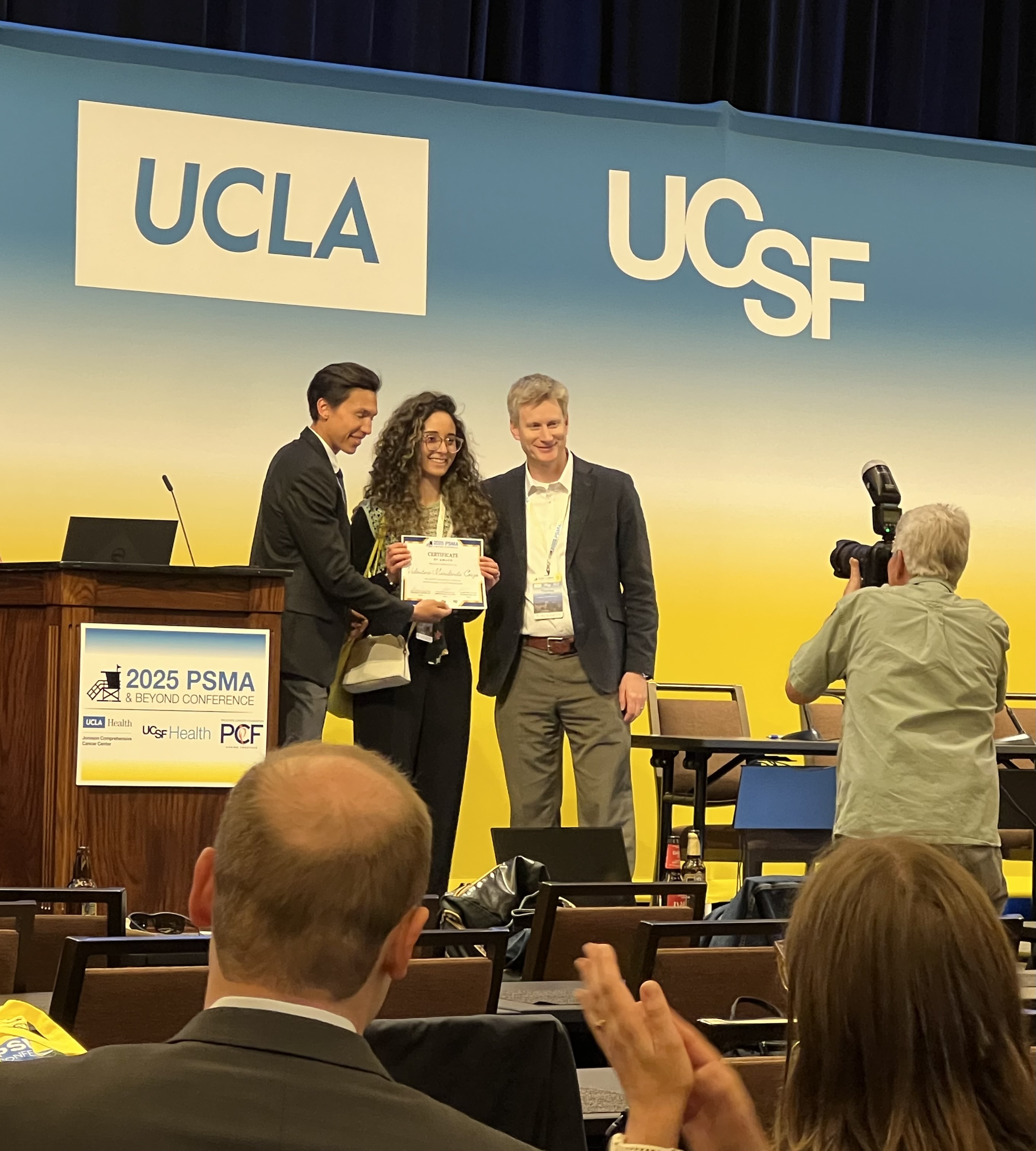
The conference also hosted a vibrant poster session, featuring cutting-edge abstracts. Among the standout contributions was research by Dr. Valentina Marulanda-Corzo, Molecular Imaging and Therapeutics Research Fellow at WCM. Under the mentorship of Dr. Joseph R. Osborne, Chief of Molecular Imaging and Therapeutics, Dr. Marulanda-Corzo presented her abstract titled “PSMA-Targeted Actinium-225 Therapy in Metastatic Castration-Resistant Prostate Cancer: Integrating Imaging Biomarkers with Clinical Outcomes in Monotherapy and Combination Therapy.”

Her work showcased how quantitative imaging biomarkers can provide insights that go beyond PSMA expression, offering critical prognostic and therapeutic value. By integrating imaging data with clinical outcomes, her research underscores the pivotal role of imaging in guiding personalized treatment strategies and advancing the field of precision oncology.

Selected as one of only ten “Power Pitch” presentations, Dr. Marulanda-Corzo’s abstract was ultimately recognized as one of the top three poster presentations of the entire conference—an incredible achievement and a powerful testament to the innovation and leadership emerging from Weill Cornell Medicine.
Weill Cornell Medicine at the Forefront
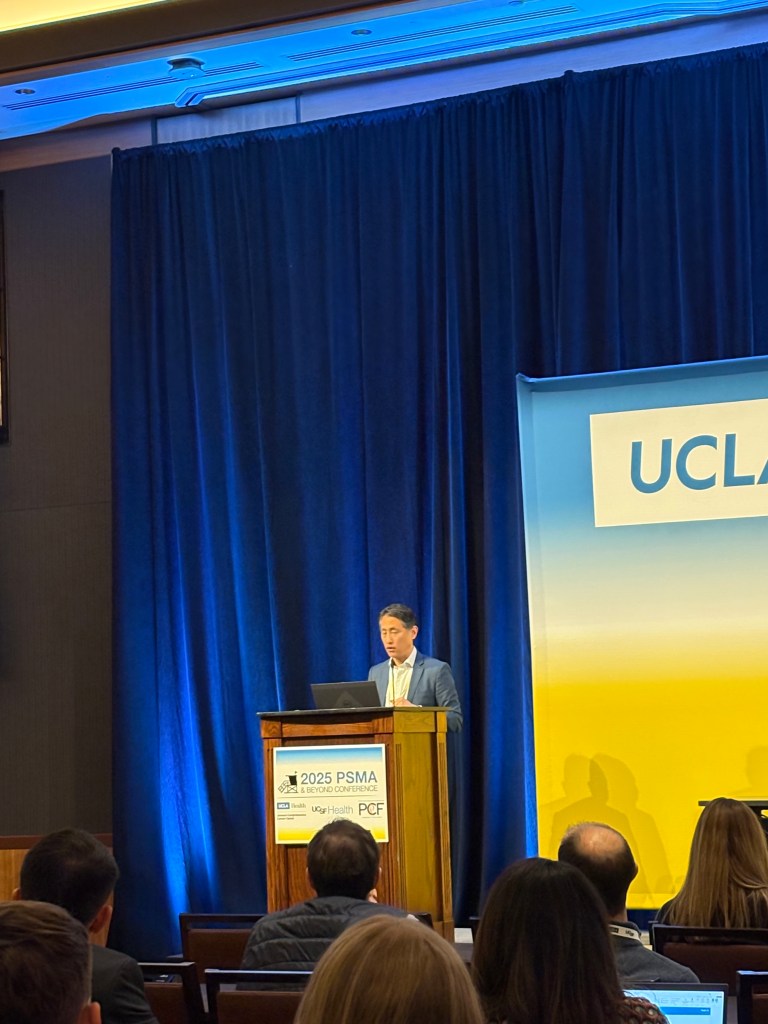
Weill Cornell Medicine (WCM) was proudly represented at this premier conference. Dr. Scott Tagawa, a medical oncologist at WCM and an internationally recognized leader in PSMA-targeted therapy, delivered a compelling presentation titled “The Role of PSMA Targeted Antibodies.” Drawing from ongoing clinical trials at WCM, Dr. Tagawa explored the development and therapeutic promise of J591, a monoclonal antibody that targets the extracellular domain of PSMA—enabling highly selective delivery of both beta and alpha-emitting radionuclides.

His presentation emphasized the clinical relevance of this platform, particularly in patients with low or varying PSMA expression, where small-molecule ligands may fall short. He shared promising clinical outcomes using Actinium-225-labeled J591, and highlighted how alpha emitters are reshaping the therapeutic landscape.

Notably, Dr. Tagawa explored the synergistic potential of combination strategies—such as pairing alpha and beta emitters or integrating alpha therapy with immunotherapy—to deepen response and overcome treatment resistance. His talk reinforced that the future of PSMA-targeted therapy lies not only in precision, but in innovation, through multidimensional approaches that could redefine cancer care.

This year’s PSMA & Beyond Conference served as a powerful reminder that the fusion of imaging and therapy is not just a scientific frontier—it is a transformative movement redefining how we approach cancer care. At Weill Cornell Medicine, we are proud to be at the center of this evolution, advancing theranostics through research, collaboration, and a deep commitment to patient-centered innovation.

2019 in Review: Advancements and Accomplishments

We are proud to report another year of meaningful patient connections, exciting treatment developments and continued leadership in the field of genitourinary (GU) oncology.

Check out our team’s 2019 highlights.


NEW FACESVlachostergios Panagiotis

Panagiotis “Panos” Vlachostergios, MD, PhD, has joined our team to grow GU oncology patient care and research at NewYork-Presbyterian Brooklyn Methodist Hospital. This is a significant step in our plan to bring our world-class expertise directly to patients who live in Brooklyn, minimizing their expenses and travel time to Manhattan.


NEW EVENTS

IMG_2706

In addition to our digital efforts to inform the patient community of the latest news and cutting-edge advancements in the GU oncology field, we also provide opportunities to learn directly from experts via free educational events. In May, Dr. Ana Molina led our first Kidney Cancer Patient Education Symposium, which allowed kidney cancer patients to connect with one another over information sessions ranging from immunotherapy treatment to anxiety management.

_O9A3975

Then, during Prostate Cancer Awareness Month in September, Weill Cornell Medicine and NewYork-Presbyterian Hospital teamed up with Memorial Sloan Kettering Cancer Center and Columbia University Herbert Irving Comprehensive Cancer Center to host over 300 patients, loved ones and healthcare professionals for our 2nd Annual NYC Prostate Cancer Summit. This education and advocacy event was packed with discussions about new therapies and technologies, prostate cancer genetics, post-treatment sexual health and more.

Save the Date!
Please mark your calendar for the 3rd Annual NYC Prostate Cancer Summit on September 12, 2020, and look out for a combined Kidney and Bladder Cancer Patient Education Event in 2021.


NEW RESEARCH DEVELOPMENTS

Bladder/Urothelial Cancer

• A subset of bladder cancers are driven by the FGFR gene. We led accrual of the clinical trial that resulted in U.S. Food and Drug Administration (FDA) approval of the first targeted therapy for bladder cancer, erdafitinib, which targets the FGFR gene. This research was published in the prestigious New England Journal of Medicine.

• Immunotherapy has transformed the treatment of patients with advanced bladder cancer, but, unfortunately, only a fraction of patients respond. Dr. Bishoy Faltas led a seminal publication characterizing urothelial carcinoma that originates in the “upper tract” (center of the kidney and ureter tubes). His paper deciphers why some tumors are less likely to respond to immunotherapy and explores ways to increase response rates.

• Dr. Faltas also led work that identified the genetic mechanisms by which bladder cancers become resistant to chemotherapy and new drug targets. Based on his research, we have launched a trial of an oral targeted therapy for patients who are ineligible or choose not to receive chemotherapy prior to surgery.

• We continue to lead the development of antibody-drug conjugates, which deliver potent chemotherapy preferentially to tumor cells. In this novel therapeutic approach, a monoclonal antibody binds to specific proteins found on cancer cells, allowing the attached drug to target the cancer cells without damaging the patient’s healthy cells. One of these drugs (enfortumab vedotin) was FDA-approved in December 2019, and we are studying new combinations in earlier lines of therapy. We are also leading the pivotal clinical trial designed to get one of these antibody-drug conjugates (sacituzumab govitecan aka IMMU-132) FDA-approved and made widely available to patients. Exciting trial results were highlighted at the 2019 Genitourinary Cancers Symposium and the 2019 Congress of the European Society for Medical Oncology (ESMO).

Prostate Cancer

• Our team is at the forefront of utilizing prostate-specific membrane antigen (PSMA)-targeted therapies in the treatment of prostate cancer, currently one of the most exciting research areas in the field. We anticipate that our clinical trials will lead to FDA approval of at least one drug in the near future.

• Based upon prior work with fractionated dosing of our radiolabeled antibody 177Lu-J591, we performed the world’s first dose-escalation trial of 177Lu-PSMA-617, with results presented at the 2019 ESMO Congress. Our unique dose-dense regimen was well tolerated, with nearly 82 percent of men experiencing prostate-specific antigen (PSA) decline.

• We also completed the dose-escalation portion of the first alpha emitter (225Ac-J591) trial and will soon present the early results publicly. At the end of the year, we were notified of grant funding for an exciting future trial using this approach in combination with immunotherapy.

Kidney Cancer

• As the number of FDA-approved advanced kidney cancer drugs grows, our team remains focused on developing novel drug combinations and identifying which patients should be treated with which therapies in order to achieve the best outcomes. Our goal is to improve responses and decrease resistance to treatment by providing patients with unique combination therapies and genomic-driven targeted agents.

• Dr. Ana Molina is leading an exciting study of the antibody OX40 in combination with axitinib. Clinical and non-clinical observations suggest that combining the OX40 antibody – which stimulates the immune system and may stop cancer cells from growing – with axitinib may produce superior anti-tumor activity compared to one drug alone. This approach is being tested specifically in patients whose tumors have grown despite standard immunotherapy.

Precision Medicine

A major goal of our research is precision medicine, or the tailoring of therapy to an individual patient. Under the direction of Dr. Cora Sternberg, we continue to analyze genomic signatures, or unique tumor “fingerprints,” in patient tissue and blood samples to assess for real-time treatment targets and to discover new mechanisms of resistance to current therapies. A treatment target that we identified in an aggressive subset of disease termed neuroendocrine prostate cancer (NEPC) is making its way into clinical trials. In addition, we are spearheading work to develop organoids (mini 3-D cancer models) from patient tumor biopsies in order to test novel pathways and enhance drug development.

We look forward to persistent progress in 2020 and in the years ahead.

Want more frequent updates from our team? Follow us on social media.

Twitter @cornellGUcancer
Facebook facebook.com/WeillCornellGUCancer


Studies Highlight Erdafitinib as an Encouraging Bladder Cancer Treatment Option

It has been an especially exciting time for our Genitourinary (GU) Oncology Program. Our team’s bladder (urothelial) cancer research recently made its way into two prestigious medical journals, with both studies highlighting erdafitinib – an oral inhibitor of fibroblast growth factor receptor (FGFR) – as an encouraging therapeutic option for the disease.

FGFR gene alterations are common in urothelial carcinoma and may be associated with low sensitivity to immunotherapy.

In a phase II study of 99 adults with locally advanced or metastatic urothelial carcinoma harboring FGFR gene alterations, Dr. Scott Tagawa and colleagues found erdafitinib to demonstrate impressive tumor control and tolerability. Forty percent of patients responded to the drug, and among the 22 patients who had previously received immunotherapy without success, the response rate jumped to 59 percent.

Weill Cornell Medicine“While not yet confirmed by randomized trial results, the fact that these patients with the unique molecular tumor selection were responsive to erdafitinib and resistant to prior lines of standard therapy makes this a pivotal study,” said Dr. Tagawa. “It’s wonderful to now have this option available for our patients early while awaiting results of the confirmatory randomized trial. It highlights the importance of genomic tumor testing.”
The research group’s findings were published in the New England Journal of Medicine and led to accelerated approval of erdafitinib as the first targeted drug for urothelial carcinoma from the United States Food and Drug Administration (FDA).

In addition to the use of next-generation sequencing of tumors to more precisely select those most likely to respond, the standard erdafitinib regimen also utilizes individualized dosing. Erdafitinib, partly depending on the dose used, is shown to induce increased phosphorus levels in the blood. As blood phosphorus levels are related to targeting of the key pathway (FGFR), the dose of erdafitinib is increased if phosphorus levels do not significantly increase in the absence of any significant side effect. In a retrospective analysis presented at the 2019 European Society of Medical Oncology (ESMO) annual meeting, erdafitinib-treated patients with increased blood phosphorus levels had improved outcomes.

Under the leadership of Dr. Bishoy Faltas, an in-depth analysis of the nuanced molecular characteristics of upper-tract urothelial carcinoma (UTUC) – an aggressive cancer occurring in the lining of the ureter and kidney – supports that erdafitinib has potential to improve the effectiveness of immunotherapy in this patient population.

Whole-exome and RNA sequencing of UTUC patient tumors yielded a number of insights into the biology of the disease – chiefly that it has low immune cells (T cells) and high expression of FGFR3. The research team found that inhibiting FGFR3 with erdafitinib increased the activity of BST2, a gene associated with immune system activation. Thus, combining FGFR3 inhibitors such as erdafitinib with a class of immunotherapy drugs called PD-1/PD-L1 inhibitors can serve as a viable treatment strategy for UTUC in the future.

Bishoy_Faltas_Headshot
“By inhibiting FGFR3, we are able to stimulate genes that are associated with activation of the anti-tumor immune response,” said Dr. Faltas. “In the future, we could potentially use this strategy to reverse the T-cell depletion in these tumors.”

Findings from Dr. Faltas et al. were published in Nature Communications.

Erdafitinib is under further investigation and development in an ongoing clinical trial at Weill Cornell Medicine and NewYork-Presbyterian.

A Phase 1b-2 Study to Evaluate Safety, Efficacy, Pharmacokinetics, and Pharmacodynamics of Erdafitinib Plus JNJ-63723283, an Anti-PD-1 Monoclonal Antibody, in Subjects with Metastatic or Surgically Unresectable Urothelial Cancer with Selected FGFR Gene

We are proud to draw upon our longstanding expertise in the bladder cancer field to lead advancements in the understanding and care of this disease, and we hope that sharing our findings will prompt additional discoveries.