New Research from Weill Cornell Medicine (WCM) Sheds Light on the Prevalence of Heart Attack and Stroke in Diagnosed Cancer Patients

Cancer cells produce substances that “thicken” the blood, so men and women with cancer have a significantly higher risk of developing blood clots. A manifestation of blood clots can be cardiovascular events such as heart attack and stroke. The latest research found that six months after diagnosis, people with cancer had a higher rate of heart attack or stroke.

New research from Weill Cornell Medicine (WCM), published in the Journal of the American College of Cardiology, found that patients newly diagnosed with cancer are more than twice as likely to suffer from arterial thromboembolism – a sudden interruption of blood flow to an organ or body part due to a clot that has come from another part of the body – as cancer-free patients. The types of cancers studied include breast, lung, prostate, colorectal, bladder, pancreatic and gastric cancer.

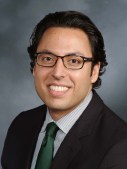
Dr. Babak B. Navi, neurologist at Weill Cornell Medicine, and his team evaluated the risk of heart attack and stroke in patients age 66 or older with new cancer diagnoses compared with people who did not have cancer. Results showed that six months after diagnosis, people with cancer had a higher rate of heart attack or stroke (4.7%) due to blood clots than people without cancer (2.2%). After the first six months, the differences in risk got smaller. One year after diagnosis, the risks were about the same in people with and without cancer. Dr. Babak Navi and his team also discovered that more advanced stages of cancer were associated with higher risk.

This research is an outgrowth of the data that Dr. Babak Navi presented at last year’s International Conference on Thrombosis and Hemostasis Issues in Cancer (ICTHIC)  about the risk of heart attacks and stroke in women with breast cancer. Results showed that women diagnosed with breast cancer have a higher risk of a heart attack or stroke in the first year after diagnosis compared to similar women without breast cancer.

Through the latest research, we now know the risk of clotting goes beyond breast cancer and is a risk factor for many different forms of cancer. Further research is needed in order to develop optimal strategies to prevent arterial thromboembolism in patients with cancer.

Weill Cornell Medicine

“People with cancer are known to be at increased risk of blood clots and this risk is believed to vary according to cancer type, stage of disease, and treatment modality. We also know that patients with cancer are more likely to have cardiovascular events which may be induced by tumor or its treatment,” says Dr. Scott Tagawa, medical oncologist and Director of the Weill Cornell Medicine Genitourinary (GU) Oncology Program. “This research further underscores the need to conduct clinical trials to determine the best prevention methods and treatment of thrombosis in patients with cancer.”

Mark your calendars to learn more about the cancer clotting connection at this year’s World Thrombosis Day event.

061_WTD_2017_Invite_v2

Genitourinary Oncology Physicians Awarded Prestigious 2017 Castle Connolly Top Doctors Designation

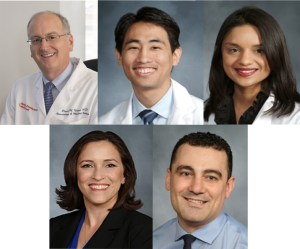
The Weill Cornell Medicine and NewYork-Presbyterian Genitourinary Oncology Program is proud to announce that our physicians have been identified as Castle Connolly 2017 Top Doctors for cancer in the United States and in the New York Metro area. This further validates our long-standing commitment to patient care and the advancement of medicine. 

Collage
WCM/NYP Genitourinary (GU) Medical Oncologists

Each year, Castle Connolly, an established healthcare research company located in New York, bases its selection through a peer-review process, extensive research and screening of nearly 100,000 nominations. This nomination shows that not only do our physicians have a great reputation, but they are also recognized by other doctors who can attest to their commitment to the field of genitourinary oncology.

“Within the Genitourinary Oncology Program, we are dedicated to providing cutting-edge care and access to clinical trials for people with all stages and types of prostate, kidney, bladder and testicular cancer,” said Scott Tagawa, MD, Medical Director of the Genitourinary Oncology Research Program at Weill Cornell Medicine.

Diagnosing and using the latest technologies to molecularly characterize and find the right treatment for each patient is an individualized process. Physicians in the Genitourinary Oncology Program, as well as other cancer experts throughout Weill Cornell Medicine and NewYork-Presbyterian, utilize an approach to treatment known as precision medicine that assesses individual variability in the tumor’s genes and microenvironment. This allows our physicians and researchers to better understand and predict which treatment approach will work best for each patient, without using a “one-size-fits-all” approach.   

According to Dr. Tagawa, “Patient care is our utmost priority and winning this prestigious Castle Connolly Top Doctors award is a testament to our dedication to improving the lives of our patients. I’m honored to be part of such a comprehensive and multidisciplinary team.”

Congratulations to the GU physicians on this outstanding achievement!

About Castle Connolly and America’s Top Doctors
CC 2017
The mission of
Castle Connolly Medical Ltd. is to help consumers find the best h
ealthcare. They publish a variety of books including the “Top Doctors” series, the most popular of which is America’s Top Doctors®. Doctors who are among the very best in their specialties and in their communities are selected for inclusion.


Thinking Beyond Survival – Cerebrovascular Complications of Cancer

Babak Navi_headshotBabak B. Navi, MD, MS
Stroke Center Director
Assistant Professor of Neurology
Weill Cornell Medicine | NewYork-Presbyterian

Over the past decade, there has been tremendous progress in cancer therapeutics. This includes targeted agents that act on specific receptors in cancer cells, immunotherapy which harnesses the body’s immune system to attack cancer cells, and personalized medicine whereby oncologists use different combinations of cancer drugs to optimize the chance of success based on the molecular profile of the tumor. These amazing scientific advances have led to prolonged survival for people with several cancer types, and it is possible that in the not-too-distant future, cancer will become more of a chronic disease with periodic flare-ups similar to what has occurred with diabetes and HIV. However, with this paradigm shift, long-term quality of life and well-being has become more important, and preventing diseases and complications that can affect these factors is paramount.

Stroke is the leading cause of disability in the United States. In addition, in many parts of the world, including Asia, it is the leading cause of death. In the United States alone, 800,000 people each year suffer stroke and this number is expected to rise as average life expectancy increases. Many factors can increase a person’s risk for stroke including age, hypertension, diabetes, high cholesterol, obesity, and smoking. Besides these traditional stroke risk factors, we now know that cancer and its treatments also increase the risk of stroke. In particular, patients with certain types of cancer, such as lung, pancreatic, and bladder cancers, as well as patients with metastatic disease, tend to have the highest risk. For instance, elderly patients with newly-diagnosed lung cancer face roughly an 8% risk of stroke in the first year after being diagnosed with cancer. In addition, cancer patients’ stroke risk varies with time and is highest in the first 3 months after diagnosis, when some cancer patients face up to a 3-fold higher risk of stroke than usual. It also turns out that certain necessary and potentially life-saving cancer treatments, including some forms of chemotherapy and radiation, can increase stroke risk.

At the moment, the exact reasons why cancer patients face a heightened risk of stroke are unclear. It is well known that circulating cancer cells can alter individuals’ clotting systems to promote clot formation but exactly how they do this is uncertain. Furthermore, doctors know that certain chemotherapy and radiotherapy treatments can damage blood vessels, but once again, the exact mechanisms underlying these processes are poorly understood.

At Weill Cornell Medicine and NewYork-Presbyterian, my team is actively working to determine what the exact risks of stroke are in people with newly diagnosed cancer, what clinical factors and biomarkers in blood can help doctors identify high-risk patients, and what the optimal strategies are to prevent and treat stroke in cancer patients. One particular study that we are currently enrolling into is entitled MOST-Cancer. This study uses cutting-edge ultrasound and blood tests to evaluate the predictors and mechanisms of stroke in people with cancer. If you or a loved one has cancer and are interested in learning more about these studies, please email our team at stroketrials@med.cornell.edu or call 212-746-6757.

May is National Stroke Awareness Month. The main intent of this campaign is to raise awareness about the symptoms and signs of stroke and to educate the public to call 911 if they suspect stroke. The most popular campaign is FAST, which stands for Face, Arm, Speech, and Time – Time to call 911.

If you or a companion develops unexplained facial asymmetry, arm weakness, or speech changes, you should call 911 immediately so that an ambulance is activated to provide rapid delivery to the closest stroke center. This is imperative as there are medicines and surgical procedures that have been proven to improve outcomes after stroke but these are only effective in the first few hours after stroke onset. Therefore, if stroke is suspected, do not hesitate, call 911, as it could be life saving!

Furthermore, I recommend that cancer patients have a frank discussion with their doctors about their individual risks for stroke and other cardiovascular diseases, as well as potential strategies to reduce their risks through medicines and lifestyle modifications.

We’ve made great strides in oncological care so that patients routinely get cured or live many years with their disease. Therefore, it is now time that we turn our attention to long-term quality of life, and in particular, to preventing stroke and the other secondary complications of cancer.

Stroke_BE FAST SIGN NEW