
When Food and Cancer Meds Don’t Mix

Food_Meds_CancerWhat you eat and drink can affect the way your cancer medication works. It is important to have a well-balanced diet and to make sure you are getting enough nutrients, while simultaneously avoiding foods that could alter treatment or damage your body.

After oral medications are ingested, the drugs are broken down and absorbed by the body. This process begins in the digestive system. Sometimes, certain drinks, foods, and medications don’t mix. That’s because levels of certain enzymes in our gut (which are responsible for breaking down large substances into smaller substances) change during the digestive process. These changes can increase or reduce the level of the medication that gets absorbed by the body, making some meds weaker and others stronger. This is problematic because doctors intentionally prescribe a specific dosage based on your type and stage of cancer, as well as other factors such as your height and weight.

Additionally, there are several negative “food-drug interactions” that are well established. For example, grapefruit interferes with the action of some cancer medications since it affects the way enzymes work. Grapefruit has the ability to increase absorption of the drug into the bloodstream, which can be very dangerous. By amplifying the effect of a drug, the medicine is no longer working in the way it was intended and there is increased risk for unexpected side effects and liver damage. This can be very harmful to the body and make the treatment side effects more difficult.  

When in doubt, check the label or package insert of your medication. More than likely, there will be certain foods that your medicines should not be mixed with and directions on how the meds should be taken. For example, the time of day and whether they should be taken with water or food, on an empty or full stomach, etc. These directions are there for a reason, but don’t hesitate to ask your doctor or pharmacist if you are uncertain about these instructions or specific restrictions.

Sometimes, cancer patients turn to vitamins and supplements after learning of a cancer diagnosis. Whether the goal is to seek out alternative medicine, strengthen the immune system, or lessen the treatment side effects, it’s important to always speak with your physician before taking anything. However, there is no conclusive data showing that supplementation benefits cancer patients, so it is not recommended that vitamins and supplements be used. They can interfere with treatment and cause discomfort.

Our team includes dietitians who specialize in cancer care and can provide you with additional information about what to eat and what to avoid in order to reduce side effects and potential negative drug interactions.

Read more about supplement usage with cancer treatment from our oncology dietitian, Shayne Robinson, RD, CSO, CDN, who recently wrote a great piece on the topic for the Weill Cornell Medicine Lymphoma Program’s blog.

Is Surgery Critical for Advanced Kidney Cancer?

Drs. Ana Molina, Jim Hu and David Nanus address key issues in an editorial published this week in the Journal of Clinical Oncology

Surgical HandsUntil the last decade, there was much debate on the standard of care treatment for patients with metastatic renal cell carcinoma (mRCC), commonly referred to as advanced kidney cancer. Some physicians believed that the best treatment was to surgically remove the kidney, a process called cytoreductive nephrectomy (CN), while others argued that surgery did more harm than good.
In 2001 and 2004, two randomized clinical trials compared the two approaches (cytokine therapy alone vs. surgery plus cytokine therapy) in a controlled, side-by-side fashion and demonstrated a survival benefit for patients who had surgery followed by cytokine therapy. Cytokines are man-made versions of naturally occurring proteins that can enhance the immune response to cancer. This research found that patients that underwent surgery in addition to being given the cytokine interferon medication showed an average survival of 13.6 months, compared with 7.8 months for those who only received the interferon treatment, demonstrating a 31% reduced risk of death. Based on this study, urologists and oncologists continued to recommend surgery, seeing major improvements in disease-free and overall survival in patients who had their primary kidney tumors surgically removed.

Over the past ten years, there have been critical advancements in the treatment of kidney cancer and targeted therapies (i.e. vascular endothelial-growth factor inhibitors) have replaced cytokine therapy as the standard of care. Targeted therapies block the growth and spread of cancer by interfering with specific molecular targets associated with cancer. The role of surgery has become unclear since the introduction of targeted therapy. Of note, nearly 90% of patients enrolled in the early studies examining targeted therapies had undergone nephrectomy.

Retrospective studies suggest that surgery improves outcomes and reduces the risk of death from cancer by more than 50%. Despite possible improved outcomes, we have seen a decline in the use of surgery. A recent study sought to evaluate current utilization rates of surgery and examined the survival benefit of surgery compared with no surgery. They noted that currently only three out of 10 patients receiving targeted therapy undergo surgery. In addition, socioeconomic and racial disparities were associated with these declines. Younger, white people with private insurance and earlier stage cancer are more likely to have their tumors removed. These declines are also more significant at community hospitals than academic centers. This is important to point out because research also shows that African Americans with metastatic kidney cancer have a poorer prognosis than white patients, and inferior survival is more pronounced in black patients who do not undergo surgery.

Two large, phase 3 randomized clinical trials (CARMENA and SURTIME) will provide answers about the role of surgery in the era of targeted therapy. The CARMENA study is enrolling patients in France and comparing the outcomes of surgery followed by targeted therapy versus targeted therapy alone. The European SURTIME study is comparing the impact of patients undergoing immediate surgery and then receiving targeted therapy with patients first receiving targeted therapy and then deferred surgery. Until these two studies are completed and the results are available, we recommend that all medical oncologists and urologists carefully evaluate each patient and consider surgery when feasible.

Should Men with Metastatic Prostate Cancer Get Genetic Testing?

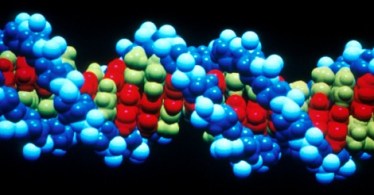
DNA Helix_NCI
DNA Helix (Photo Credit: National Cancer Institute)

Of all the different types of cancer, prostate cancer is one with some of the strongest links to the family tree. The inherited risk of developing prostate cancer due to genetic factors has been estimated to be as high as 57%. As a result, there has been a large push for research to identify where exactly in the genetic profile this risk comes from and whether these genes are passed down through ancestry.

We already know that mutations in certain genes – specifically those that are responsible for repairing the DNA of cells in our body – can increase cancer risk. A gene mutation like this disrupts the normal function of the genes involved in repairing damaged DNA, and so far, more than 100 variants have been found. These include mutations in BRCA1, BRCA2, MSH2, and HOXB13. The most common mutation of this type is involves the BRCA2 gene, which is linked with significantly increased risk of cancers of the breast, ovaries, prostate, colon, pancreas, as well as melanoma. It is linked with 1.8% of overall prostate cancer cases.

Weill Cornell Medicine and NewYork-Presbyterian served as one of the main research sites in a recently-published multi-institutional study which found that 11.8% of men with metastatic prostate cancer had DNA-repair gene mutations. This is significantly higher than the prevalence among men with localized prostate cancer (4.6%). These mutations are associated with more aggressive and fatal cancers, so it makes sense that a higher percentage was found in those with metastatic disease.

This study also showed a link between having DNA-repair mutations and a family history of prostate cancer. Genetic testing is very important because inherited mutations in genes that affect DNA repair plays an important role in identifying family members who also may be at increased risk (and not just for prostate cancer), deciding the best course of treatment, and in decision making in screening for other cancers. Knowing this information presents an opportunity for precision medicine in order to customize treatment for each patient.

PARP1 is an enzyme that has emerged as a new drug target for cancer therapy and certain cancer treatments, such as PARP1-inhibitors have been shown to be more effective in prostate cancer patients with these DNA-repair mutations. Men with metastatic prostate cancer and these mutations also frequently respond to platinum chemotherapy.

Additionally, it is known that twins are more affected and early-onset cancer may result from germline alterations so young men with prostate cancer are being studied to figure out which genes may be linked with a prostate cancer diagnosis at an early age.