
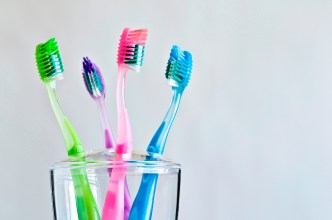
 We grow up learning certain truths regarding the need to brush our teeth at least twice a day and visit the dentist on a regular basis, but during cancer treatment, our mouth needs can change.
Cancer treatment is designed to fight the cancer cells in your body, but in doing so can have a wide range of side effects. One of the main side effects of chemotherapy, the standard treatment for prostate, bladder, and testicular cancers, is changes that occur in the mouth. Chemotherapy can lower white blood cell, platelet, and red blood cell counts throughout the body, so patients are at increased risk for infections. Gum diseases, dental abscesses, and cavities are all infections that are prone to worsen during treatment.
While killing cancer cells, cancer treatment can also harm normal cells, such as the cells in the mouth. This can cause problems with your mucosa and gums (the soft lining of your mouth) and the glands that make saliva. Additionally, both chemotherapy and radiation treatment can cause mucositis, a side effect that involves an inflammation of the lining of the mouth and can lead to red, painful sores.
Here are 8 tips to maintain good oral hygiene and ease mouth pain during cancer treatment:
- Visit your dentist early in treatment. See if your doctor can identify potential sources of dental infection or irritation prior to starting chemotherapy. Get any dental cleanings, teeth extractions, and fillings at least 2 weeks before starting treatment. This will help to prevent mouth problems so that you can get the most out of your cancer treatment.
- Brush your teeth. During treatment, do not neglect brushing your teeth at least 3 times a day. Use a brush with soft bristles and be gentle on your gums. Consider using a toothpaste designed for sensitive teeth and gums, and make sure that your toothpaste contains fluoride to prevent cavities and tooth demineralization, especially if you have a dry mouth. If you wear dentures, make sure that they are adjusted properly with a comfortable fit. Brush and rinse your dentures after meals and do not wear them while sleeping.
- Keep your gums healthy. Floss regularly as long as your platelet count is above 20,000. This is to minimize inflammation of the soft tissues in your mouth which can lead to dental disease, bleeding and infection if your blood counts are low. If possible, start a good flossing routine prior to starting chemotherapy so that your gums are healthy going into treatment.
- Pay attention to what you eat. What you put in your mouth matters, and not just in terms of maintaining a balanced diet during treatment. Read package labels to find out what’s in the foods you’re eating, as this will help determine what may irritate your mouth. Hot and spicy sauces can increase pain and sensitivity, especially if you have sores in your mouth. Caffeinated beverages and alcohol can increase mouth dryness, and vinegars, citrus and tomato juices have a lot of acidity which can also irritate the mouth. Be in tune with which foods might be triggers, and if eating out, ask whether sauces and dressings can be omitted or served on the side.
- Modify your diet as needed. If your mouth is sore, eating soft, bland, room-temperature food may help. If your mouth is dry, you can add extra moisture to foods in the form of sauces, oils, milk or broth to aid in swallowing. Foods such as eggs, yogurt, cottage cheese, soups, cooked vegetables, pudding, milkshakes and smoothies can often be tolerated when your mouth is sore or dry. If you experience taste changes, experiment with different foods at different temperatures.
- Cut down on sugar. Avoid foods that have a lot of sugar because your teeth are more vulnerable to infections and cavities during cancer treatment. Beware of sugar content in beverages such as soda, juice, coffee, tea and sports drinks.
- Rinse daily with alcohol-free mouthwash. Many types of mouthwash wash contain alcohol, which can burn your mouth and contribute to oral dryness. Keep your mouth moist with an alcohol-free mouthwash. If you suffer from dry mouth, suck on sugar-free lozenges to stimulate saliva flow. Keep your lips moist with a natural lipbalm containing bees-wax or lanolin to prevent chapping or cracking. Do not use petroleum based lip balms as these can contribute to lip dryness.
- Know when to speak up. Be sure to reach out to your healthcare team and dentist if you’re experiencing any of the following: Swelling or pain in the mouth or jaw, trouble swallowing, mouth ulcerations that do not heal within one week, white patches in the mouth, a burning mouth sensation, or severe oral dryness.
At Weill Cornell Medicine and NewYork-Presbyterian, we provide supportive oral care before, during and after cancer treatment. To learn more about the services we offer, click here. To make an appointment with a dentist at our center who specializing in treating cancer patients, please call Dr. Heidi Hansen at 212-746-5115.
For additional information about oral care during cancer therapy, visit the below links:
- NCI: https://www.cancer.gov/about-cancer/treatment/side-effects/mouth-throat
- American Dental Association: http://www.mouthhealthy.org/en/az-topics/c/cancer-dental-health
- American Academy of Oral Medicine: Information on Dry Mouth, Information on Mucositis
- NIH (oral mucositis): https://medlineplus.gov/ency/patientinstructions/000047.htm
Special thanks to Heidi Hansen, DMD for her contributions to this article.
 For the 7th year in a row, we are proud to participate in a month-long campaign to raise awareness and funds for men’s health issues each November, also known as Movember.
 Today, more than 5 million “Mo Bros” and “Mo Sistas” from more than 20 countries around the world have collectively raised over $700 million dollars to fund 1,200 men’s health projects.
 We at Weill Cornell Medicine have been fortunate to receive many of these grants over the past several years. Some of these recent Movember-PCF Challenge Grants have funded our research to study:
 Chemotherapy often gets a bad rap due to the perception that the side effects of this cancer treatment are severe. What many people don’t know is chemotherapy refers to an umbrella category for different medications that work in a similar way. Just as different cancers are unique, chemotherapies are also unique and use different formula compounds. They also have brand and generic names.
 What's New in GU?