
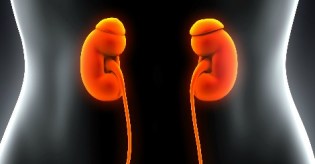
FDA Approves New Combination Therapy for Kidney Cancer

Kidneys_GU Blog_FBOn May 13, the Food and Drug Administration (FDA) approved a new oral combination therapy for patients with advanced renal cell carcinoma (RCC), the most common kidney cancer in adults.

This combination therapy involves taking capsules of lenvatinib and everolimus on a daily basis. Both drugs are signal transduction inhibitors that stop some of the signals within cells that make them grow and divide. Lenvatinib (brand name Lenvima) works by inhibiting vascular endothelial growth factor (VEGF) receptors, halting blood vessel formation (angiogenesis) and fibroblast growth factor (FGF) receptors. FGF receptors are thought to be responsible for the development of cancer progression (treatment-resistance) following other anti-VEGF therapies. Levantinib was first FDA-approved in 2015 to treat some forms of recurrent and metastatic thyroid cancer. Everolimus stops a particular protein called mTOR from working which helps stop cancer growth. Everolimus was the first mTOR inhibitor approved in 2009 for the treatment of patients with advanced RCC after failure of treatment with sunitinib or sorafenib.

This treatment regimen is only FDA-approved as a second-line treatment for those who have already undergone one prior anti-angiogenic therapy. Common anti-angiogenic therapies for metastatic kidney cancer include sunitinib and pazopanib. Rather than targeting the tumor cells directly, anti-angiogenic therapies aim to prevent the growth of blood vessels the tumors depend on for survival.

Dr. Ana Molina of the Weill Cornell Medicine Genitourinary Oncology team led the initial study that tested this combined treatment which demonstrated that the regimen was not only safe, but showed impressive enough anti-cancer activity to warrant a larger, multi-center, randomized trial.

In the randomized trial that ultimately led to FDA-approval, patients who received lenvatinib and everolimus had significant improvement in progression-free survival (PFS) of 14.6 months versus 5.5 months with only everolimus. The overall response rate was 43% with the combination, compared with 27% with Lenvatinib alone and 6% with everolimus. The median overall survival was 25.5 months for the combination arm, 19.1 months in the Lenvatinib monotherapy arm and 15.4 months in the everolimus arm. Side effects included diarrhea, fatigue, high blood pressure (hypertension), nausea and vomiting, weight loss and protein in the urine.

We continue to offer lenvatinib and everolimus as combination therapy and encourage you to ask about whether it would a good treatment course for you.

Navigating Dinner When the Food Tastes Worse Than the Plate

By Shayne Robinson, R.D., C.S.O, C.D.N

Food photo_Cancer Taste ChangesSweet, salty, savory and sour are words we often use to describe different flavors in the foods we eat, but cancer and its treatments can turn your sense of taste upside down. It is normal to experience taste changes as a result of cancer and cancer treatment. Some people report a bitter or metallic taste in their mouth, while others find that their overall sense of taste has diminished.

How foods taste and smell can change from day to day, and these changes may affect your appetite. To find foods that are appealing, try experimenting with new foods or cuisines, marinades and spices. It can even help to try new ways of preparing the foods you typically eat. Good oral care is also important.

Here are some tips to help combat common cancer-related taste changes:

Loss of Taste

  • Choose foods with strong and/or tart flavors, such as citrus fruits, vinegar and pickled foods. Marinate meats, chicken and fish to infuse flavor. Try strong flavored greens such as arugula or mizuna greens. Caution: avoid acidic foods if you have a sore mouth or throat.
  • Zinc deficiency can decrease your sense of taste. Discuss testing your zinc level and/or supplementing zinc with your health care provider.

Unpleasant Salty, Bitter, Acidic or Metallic Tastes

  • Add a sweet flavor to foods such as topping salad with fruit. Try topping meats, chicken and fish with a fruit chutney.
  • Use plastic utensils or chopsticks if metal forks and spoons taste unpleasant.
  • Add lemon juice, cucumber slices, cranberries or other flavorings to water.
  • Suck on slices of Granny Smith Apples or frozen chunks of pineapple.

Meat Tastes Strange

  • Choose other protein-rich foods (such as poultry, fish, eggs, dairy products, beans, tofu or soy milk) instead of meat.
  • Marinate and cook meats, poultry and fish in sweet juices, soy sauce, acidic dressings or wine.

Overwhelming Food Odors

  • Choose foods that are served cold, such as sandwiches, crackers and cheese, yogurt and fruit, or cold cereal and milk. Foods served hot often have stronger odors.
  • Carry a handkerchief dabbed with oil that has a pleasant odor such as mint or lavender.
  • Eat in cool, well-ventilated rooms that don’t have any food or cooking odors.
  • Drink oral supplements in a covered cup and with a straw to reduce the odor of the supplement.

Oral Care Tips

  • To keep your mouth clean and healthy, rinse and brush your teeth after meals and before bed (or every four hours during the day).
  • Before eating, rinse your mouth with a solution of 1 quart water, ¾ teaspoon salt, and 1 teaspoon baking soda. This rinse can help keep your mouth clean and improve your sense of taste.

While taste changes can be common during cancer treatment, eating well during treatment can decrease side effects. Good nutrition will help you maintain your weight, your strength, and maximize your quality of life.

If you are struggling with taste changes or any treatment side effects that affect your ability to eat, consult with a Registered Dietitian (RD). Nothing replaces the individualized counseling you will receive from working with an RD on a one-on-one basis. To see a dietitian at the NewYork-Presbyterian Outpatient Nutrition Practice call (212) 746-0838 (physician referral required).

Weighty Matters: The Kidney Cancer-Obesity Connection

By Shayne Robinson, R.D., C.S.O, C.D.N

In March, we celebrate both National Nutrition Month and Kidney Cancer Awareness Month. This makes it the perfect time to talk about whether what we eat can play a role in preventing kidney cancer.

So is there a connection between diet, exercise and kidney cancer?

The World Cancer Research Fund International Continuous Update Project seeks to find out. They analyze global cancer prevention and survival research linked to diet, nutrition, physical activity and weight to determine whether certain lifestyle factors affect cancer risk. They then release reports based on the evaluation of this worldwide data.

Map Kidney Cancer Obesity
Image credit: American Institute for Cancer Research, aicr.org

When it comes to the kidneys, there is strong evidence that being overweight or obese increases the risk of developing kidney cancer. In fact, the latest findings showed that maintaining a healthy weight could prevent 24% of all kidney cancers in the United States. The report also found that there was an association between body fatness and kidney cancer, such that the more overweight people were, the greater their risk of developing kidney cancer. Being overweight or obese was assessed by body mass index (BMI), waist circumference and waist-to-hip ratio.

The good news is that this means that we can make healthy lifestyle changes to lose weight and reduce our risk of developing kidney cancer.

Wondering if you should lose weight?

See where you stack up on a BMI chart and measure your waist circumference. To measure waist circumference, place a tape measure around your waist above the tip of your hipbone. Measure your waist after exhaling. For women, a waist measurement of 31.5 inches or more indicates high risk for obesity. For men, a waist measurement of 37 inches or more indicates high risk for obesity. If your BMI is over 25 or your waist circumference is above these numbers, talk to your physician or Registered Dietitian about starting a weight loss program.

Here are 6 tips to get started with a weight loss plan:

  1. Lose pounds the healthy way. Move more and eat less. Avoid fad diets.
  2. Avoid high calorie, energy-dense beverages. This includes fruit juice, soda, sweetened coffee beverages, lemonade and sweetened tea. These beverages don’t provide the satiety you will get from eating solid foods.
  3. Eat your veggies! Cut back on energy-dense, high-calorie foods by making half your plate raw or steamed, non-starchy vegetables. These high-fiber vegetables will fill you up without weighing you down.
  4. Portion control is key. Scale back on portion sizes, except the non-starchy vegetables. Using smaller plates can help.
  5. Get movin’ — Increase your physical activity. For some people, this may mean starting by walking to the mailbox and back. Aim for 30 minutes of physical activity a day. If you can’t do 30 minutes, start small and increase as your fitness improves.
  6. See a professional. Nothing replaces the individualized counseling you will receive from working with a registered dietitian (RD). To see a dietitian at the NewYork-Presbyterian Outpatient Nutrition Practice call (212) 746-0838. A physician referral is required.