
 What you eat and drink can affect the way your cancer medication works. It is important to have a well-balanced diet and to make sure you are getting enough nutrients, while simultaneously avoiding foods that could alter treatment or damage your body.
After oral medications are ingested, the drugs are broken down and absorbed by the body. This process begins in the digestive system. Sometimes, certain drinks, foods, and medications don’t mix. That’s because levels of certain enzymes in our gut (which are responsible for breaking down large substances into smaller substances) change during the digestive process. These changes can increase or reduce the level of the medication that gets absorbed by the body, making some meds weaker and others stronger. This is problematic because doctors intentionally prescribe a specific dosage based on your type and stage of cancer, as well as other factors such as your height and weight.
Additionally, there are several negative “food-drug interactions” that are well established. For example, grapefruit interferes with the action of some cancer medications since it affects the way enzymes work. Grapefruit has the ability to increase absorption of the drug into the bloodstream, which can be very dangerous. By amplifying the effect of a drug, the medicine is no longer working in the way it was intended and there is increased risk for unexpected side effects and liver damage. This can be very harmful to the body and make the treatment side effects more difficult.
When in doubt, check the label or package insert of your medication. More than likely, there will be certain foods that your medicines should not be mixed with and directions on how the meds should be taken. For example, the time of day and whether they should be taken with water or food, on an empty or full stomach, etc. These directions are there for a reason, but don’t hesitate to ask your doctor or pharmacist if you are uncertain about these instructions or specific restrictions.
Sometimes, cancer patients turn to vitamins and supplements after learning of a cancer diagnosis. Whether the goal is to seek out alternative medicine, strengthen the immune system, or lessen the treatment side effects, it’s important to always speak with your physician before taking anything. However, there is no conclusive data showing that supplementation benefits cancer patients, so it is not recommended that vitamins and supplements be used. They can interfere with treatment and cause discomfort.
Our team includes dietitians who specialize in cancer care and can provide you with additional information about what to eat and what to avoid in order to reduce side effects and potential negative drug interactions.
Read more about supplement usage with cancer treatment from our oncology dietitian, Shayne Robinson, RD, CSO, CDN, who recently wrote a great piece on the topic for the Weill Cornell Medicine Lymphoma Program’s blog.
 We’re pleased to announce that the Genitourinary (GU) Oncology Program is expanding! Dr. Bishoy Faltas joined us on July 1st as an Instructor in Medicine and as an Assistant Attending Physician. He will see patients with bladder, prostate, testicular, and kidney cancers.
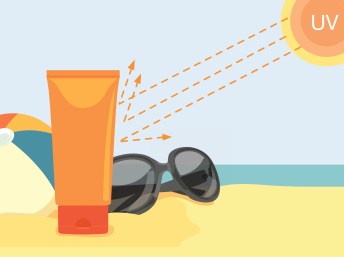 Summertime often means vacations and more time outdoors. This also comes with increased exposure to the sun – which isn’t such a “sunny” thing if you’re feeling sensitive to it.
 What's New in GU?