
Choosing a replacement bladder that’s right for you
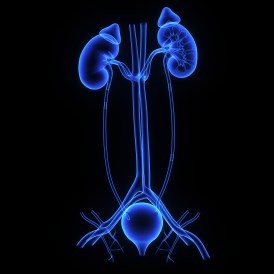
After being diagnosed with bladder cancer, it may be necessary to completely remove the bladder depending on the severity and location of the cancer. Medically, this is referred to as a radical cystectomy and involves the complete removal of the bladder, nearby lymph nodes, and part of the urethra. A radical cystectomy is the best treatment when the cancer has become invasive and has spread to the muscle layer of the bladder.
After the bladder is removed, the urine needs somewhere to go. Bladder cancer patients have options regarding the mechanism they would like to use to replace the role of the bladder and provide a way for urine to exit the body. This is sometimes referred to as a “urinary diversion” and there are different techniques used to divert the urine. Options include: a urostomy, neobladder reconstruction, or continent urinary reservoir construction. Each one has its unique advantages and disadvantages, and we have outlined some key factors to consider. The success of any of these options relies heavily on managing expectations. It’s critical that each patient has a realistic understanding of the advantages and disadvantages of each option.
- An ileal conduit (urostomy) is a surgical procedure that allows urine to pass through a newly made opening on the body. In this procedure, a surgeon detaches one or both of the ureters from the bladder and attaches them to a small piece of intestine. This segment of intestine is then attached to the surface of the abdomen where an opening (also called a stoma) is made. A collection pouch then stores the urine outside the body since there are no muscles around the stoma to control the flow of urine. The segment of intestine simply acts as a “conduit” for urine to pass to the outside. Depending upon fluid intake, the external bag needs to be emptied every 6 hours and the external appliance is typically changed every 3-5 days. One can be quite active with this device and can still exercise, including swimming and running.
- Orthotopic neobladder reconstruction is a surgical procedure in which an entirely new bladder is constructed from the intestine to replace the bladder. Typically, a small section of the small intestine is used to create a sphere shape that can store and pass urine through the body as a normal bladder would. This procedure leaves the patient with the urine storage and exit route that most closely resembles that of the original bladder. While this new bladder serves as a great replacement for the original bladder, it does require some re-learning on behalf of the patient in order to void without any difficulties. After three months post-surgery, most men and women can void quite well. Some nighttime incontinence can linger for the first year.
- Continent urinary reservoir is a surgical procedure where an internal reservoir is made from a segment of the intestine. Instead of voiding, however, the patient needs to catheterize themselves through the belly button (umbilicus) in order to drain the urine. A valve mechanism is made in order to retain urine that the patient can drain on their own. Much like the urostomy previously discussed, a pouch to collect urine is used in this method, however now the pouch is internal. This procedure also requires ongoing maintenance to empty the pouch through intubation every 4-6 hours and can result in urinary leakage. Most patients are quite happy with this type of diversion in that they never leak urine and they do not require any external bags. They do, however, need to always have a catheter with them in order to empty their bladders.
Choosing which method to use really depends on the individual and what best meets his or her lifestyle. It is important to understand how all the options work prior to making a decision. For example, neobladder reconstruction is a good alternative for those who do not want a stoma or to deal with an external pouch involved with a urostomy, however people who choose this option must then learn neobladder training and adjust to a new normal with a bladder that has slightly different capabilities.
Here at Weill Cornell Medicine and NewYork-Presbyterian, we offer all three types of bladder reconstruction surgeries. Approximately 50% of our patients choose ileal conduits and the remaining 50% is split between neobladder reconstruction and continent urinary reservoir. We encourage you to speak with your physician about which replacement bladder is right for you.
We perform all of these surgeries robotically. Robotic-assisted cystectomy (also known as da Vinci cystectomy) is a minimally invasive surgical method that is done with cutting-edge robotic equipment guided by the hands of a surgeon. This technique is able to mimic a surgeon’s movements with even greater precision. It has several benefits ranging from less tissue and nerve damage to reduced blood loss and decreased risk of infection. Additionally, it is the only robotic surgery approved by the Food and Drug Administration (FDA).
Our medical center has the largest single surgeon robotic cystectomy experience in the world, and through this procedure we have been highly successful in removing tumors and creating replacement bladders, while simultaneously maintaining urinary continence and maximizing cancer cure rates. Learn more.
 What you eat and drink can affect the way your cancer medication works. It is important to have a well-balanced diet and to make sure you are getting enough nutrients, while simultaneously avoiding foods that could alter treatment or damage your body.
 Until the last decade, there was much debate on the standard of care treatment for patients with metastatic renal cell carcinoma (mRCC), commonly referred to as advanced kidney cancer. Some physicians believed that the best treatment was to surgically remove the kidney, a process called cytoreductive nephrectomy (CN), while others argued that surgery did more harm than good.
 What's New in GU?